When you’re planning a birthday, anniversary, or just a thoughtful surprise, a hamper can be the perfect way to show you care. But if the hamper is wrapped in plastic, filled with items that never get recycled, and shipped from halfway across the world, you might be giving a gift that feels more like a carbon footprint than a gesture of love. In this article, we’ll walk you through the steps to discover truly eco‑friendly hampers that won’t leave a trail of waste behind. By the end, you’ll have a handy checklist and a few insider tips to make your next gift both heartfelt and planet‑friendly.
Why Eco‑Friendly Hampers Matter
The Environmental Impact of Traditional Hampers
Ever wondered how many plastic bags a single hamper contains? A typical commercial hamper can hold dozens of single‑use plastics, from the lining to the wrapping paper. Add the emissions from long‑haul shipping, and you’re looking at a small but significant contribution to global waste. In a world where we’re trying to reduce our carbon footprints, the humble hamper can become a silent villain if we’re not careful.
Benefits of Choosing Sustainable Options
Choosing a hamper that’s built with recycled or biodegradable materials does more than just keep your conscience clear. It also supports businesses that prioritize ethical sourcing, reduces landfill waste, and can even inspire recipients to adopt greener habits. Think of it as a gift that keeps on giving—like a green oasis in a desert of disposables.
Key Features to Spot in an Eco‑Friendly Hamper
Materials That Matter
- Recycled cardboard or paper – Look for “post‑consumer recycled” stamps or a 100 % recycled claim. Bamboo or cork – These renew faster than wood and are naturally antimicrobial. Biodegradable or compostable plastics – Often marked with the 5‑ray symbol and a “compostable” label.
Packaging Practices
- Minimal or no plastic – A hamper that uses only paper or natural fibers for wrapping is a huge win. Reusable containers – Some hampers come with baskets that can be repurposed as storage. Locally sourced packaging – Reduces shipping emissions and supports local economies.
Supplier Transparency
A trustworthy brand will openly share its sourcing practices, supply chain details, and environmental goals. Look for a “green statement” on the website or a detailed FAQ section explaining how they keep their products sustainable.

Where to Look: Sources for Sustainable Hampers
Online Marketplaces with Green Credentials
- Etsy – Many sellers specialize in handmade, eco‑friendly hampers. Amazon’s “Eco‑Friendly” filter – A quick way to narrow down options. Specialty sites like EcoGiftHub or GreenBasketCo that focus exclusively on sustainable gifting.
Local Artisan Shops and Co‑ops
Supporting local artisans not only cuts down on transportation emissions but also gives you a chance to see the hamper’s construction firsthand. Co‑ops often curate a selection of eco‑friendly products that meet strict environmental standards.
DIY and Upcycled Options
If you’re crafty, consider building your own hamper from reclaimed wood or repurposed fabric. This gives you full control over the materials and can turn the gift into a personalized masterpiece. Plus, it’s a great conversation starter: “Did you know this basket was made from a piece of an old wooden pallet?”
How to Verify Eco Claims: Tips and Red Flags
Certifications to Trust
- Forest Stewardship Council (FSC) – Indicates responsible forest management. OEKO‑Tex Standard 100 – Guarantees no harmful substances in textiles. Cradle to Cradle Certified – A rigorous standard covering material health and circularity.
Reading Between the Lines
Beware of vague claims like “environmentally friendly” without specifics. A red flag is a product that boasts “green” but still uses petroleum‑based plastics. Remember the idiom: “You can’t put a square peg in a round hole.” If the eco‑claim doesn’t fit the product’s actual materials, it’s likely a marketing ploy.
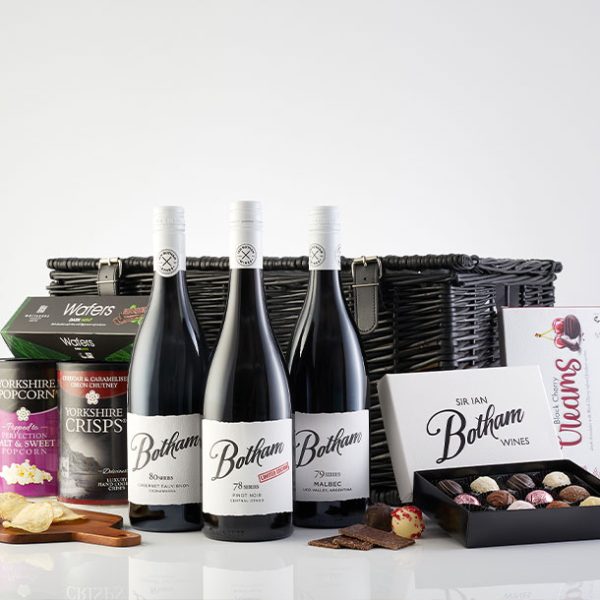
Putting It All Together: A Practical Shopping Checklist
- ✔️ Materials: Recycled, bamboo, cork, biodegradable plastic. ✔️ Packaging: No single‑use plastic, reusable containers, local sourcing. ✔️ Certifications: FSC, OEKO‑Tex, Cradle to Cradle. ✔️ Supplier transparency: Clear sourcing statements, supply chain details. ✔️ Shipping: Prefer local or regional options to reduce emissions.
Use this checklist whenever you’re about to add a hamper to your cart. It’s a quick way to ensure you’re staying true to your eco‑friendly goals.
The Perfect Gift Awaits
Picture this: you hand over a beautifully wrapped hamper, and the recipient’s eyes light up. Inside, they find artisanal teas, a bamboo utensil set, and a note that says, “May this gift inspire greener choices.” You’ve not only delivered a thoughtful present but also planted a seed of sustainability in someone’s life.
As you shop, remember the words of environmental activist Wangari Maathai: “The tree that shelters us is the same tree that gives us a home.” Your choice of hamper can echo this sentiment, turning a simple gift into a statement of care for the planet.
Now that you know how to find hampers that are eco‑friendly, it’s time to put your newfound knowledge into action. Browse local shops, explore green marketplaces, wine hampers Australia or even craft your own. Whatever route you choose, the key is to keep your conscience clear and your gift meaningful. Happy gifting—and happy planet‑saving!