When a company expands its product line, the humble basket often becomes a surprisingly complex canvas. From holiday gift sets to premium subscription boxes, each basket must feel like a recognizable piece of the brand puzzle—yet still stand out on the shelf. This article unpacks solving the challenge of maintaining brand consistency across multiple basket designs, offering practical tactics, a sprinkle of humor, and a dash of wisdom to keep your visual identity from slipping through the cracks.
Why Brand Consistency Matters in Basket Design
A cohesive brand is more than a logo; it’s the promise you make to customers every time they see your packaging. When that promise is kept, shoppers instantly recognize your products, trust the quality, and are more likely to become repeat Premium wine buyers.
The Psychological Impact of Visual Uniformity
Humans are wired to seek patterns. Consistent colors, typography, and imagery act like a friendly wave that says, “Hey, we’re the same great brand you love.” Break that rhythm, and you risk confusing the buyer—like showing up to a costume party in a tuxedo while everyone else is in superhero capes.
Financial Benefits of a Cohesive Brand
Consistency reduces the need for repeated marketing explanations, slashes design‑time costs, and can even command higher price points. In fact, a study by the Design Management Institute found that design‑focused companies outperformed the S&P 500 by 228% over ten years—proof that a steady visual language can be a serious profit engine.
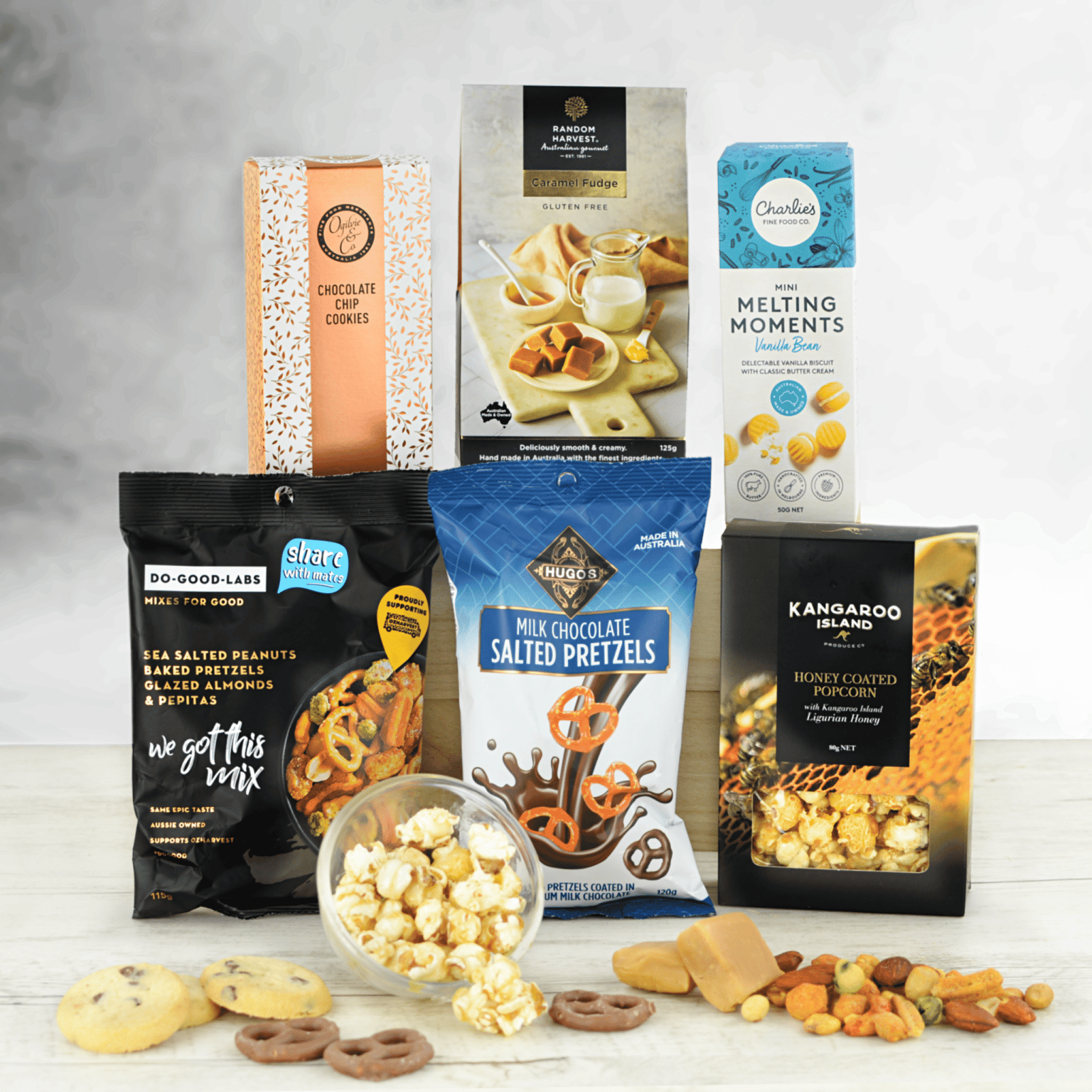
Common Pitfalls When Juggling Many Basket Designs
Even seasoned marketers stumble when the number of basket variations climbs. Here are a few traps that frequently catch teams off guard:
- Ad‑hoc design decisions – “Let’s just tweak the logo for this season.” Fragmented asset libraries – Files scattered across drives like lost socks. Inconsistent tone of voice – A playful tagline on one basket, a formal one on another. Lack of stakeholder alignment – Marketing, product, and logistics all speaking different languages.
*An anecdote:* A mid‑size tea company once launched a “Winter Warmth” basket with a deep navy background, only to discover that the same navy had been used for a “Summer Splash” basket the previous month. Customers complained they couldn’t tell the two apart, and sales dipped until the brand team re‑aligned the color palette.
Strategic Approaches to Keep Your Brand on Point
Create a Master Style Guide
Think of a style guide as the brand’s Bible—only less dusty and more actionable. It should cover:
- Core color codes (Pantone, HEX, CMYK) Approved typefaces and hierarchy Logo usage rules, including clear space and size ratios Imagery style (photography vs. illustration, mood, composition)
Having this single source of truth makes it easier for designers to say, “I’m following the rulebook, not winging it.”
Leverage Design Systems and Templates
A design system is a reusable collection of components that behave predictably. By building basket templates—pre‑set layouts for product placement, label positioning, and ribbon styles—you give every designer a sturdy scaffolding to work from. It’s like handing out a Lego instruction manual; the final builds may differ, but the underlying pieces stay the same.
Implement a Review Workflow
Even the best guidelines need a safety net. Establish a multi‑stage review process:
Designer self‑check – Verify adherence to the style guide. Peer review – A fresh set of eyes catches oversights. Brand manager sign‑off – Final approval before production. This workflow ensures that no rogue design slips through, and it creates accountability without stifling creativity.Tools and Technologies That Help
Modern software can automate much of the consistency‑keeping work. Consider adding these to your toolkit:
- Digital asset management (DAM) platforms – Centralize logos, fonts, and mockups. Brand compliance plugins – Extensions for Adobe Creative Cloud that flag off‑brand colors in real time. Collaboration suites – Tools like Figma or Sketch Cloud enable live commenting and version control across teams.
By embedding these tools into the design pipeline, you turn brand guardianship into a seamless part of everyday work.
Measuring Success and Adjusting the Course
Consistency isn’t a set‑and‑forget task; it requires ongoing monitoring and fine‑tuning.

Key Metrics to Track
- Brand recognition surveys – Ask customers if they can identify the brand from a basket image alone. Return‑rate comparison – Consistent branding often correlates with lower product returns. Production error frequency – Fewer mismatched labels mean smoother operations.
Feedback Loops
Create channels for frontline staff, retailers, and even customers to report inconsistencies. A quick “Did you notice any branding issues?” questionnaire after a seasonal launch can surface problems before they snowball.
> “Design is not just what it looks like and feels like. Design is how it works.” – Steve Jobs
This quote underscores that brand consistency must function in the real world, not just look pretty on a PowerPoint slide.
Putting It All Together: A Playbook for Consistent Basket Brilliance
Now that the pieces are on the table, let’s stitch them into a practical playbook you can start using tomorrow:
Audit existing baskets – List every current design and flag deviations from the brand guide. Update the master style guide – Incorporate lessons learned from the audit, especially any seasonal nuances. Build modular templates – Create a base layout for each basket size, then allow limited, approved variations (e.g., ribbon color). Deploy a DAM system – Store all assets in a searchable, permission‑controlled repository. Train the team – Run a short workshop on the new workflow, emphasizing the “why” behind each rule. Launch with a pilot – Test a single basket design across two markets, collect feedback, and adjust before a full rollout. By following these steps, you’ll turn the daunting task of solving the challenge of maintaining brand consistency across multiple basket designs into a manageable, repeatable process.
Remember, a brand that looks the same everywhere is like a trustworthy friend who always shows up on time—reliable, recognizable, and ready to make an impact. So, grab your style guide, fire up your design system, and let every basket tell the same compelling story, no matter how many variations you create.
*Ready to tighten up your basket branding? Start today by auditing one design and watch the ripple effect of consistency spread across your entire product line.*